
If you own a pickup truck, protecting the bed is not optional. From gravel and firewood to toolboxes and camping gear, the bed takes serious abuse. The right pickup bed liner prevents rust, dents, and scratches — and preserves your truck’s resale value.
But with so many options on the market, which one is actually the best? This guide breaks down the most common types of pickup truck bed liner solutions and helps you make the right choice.
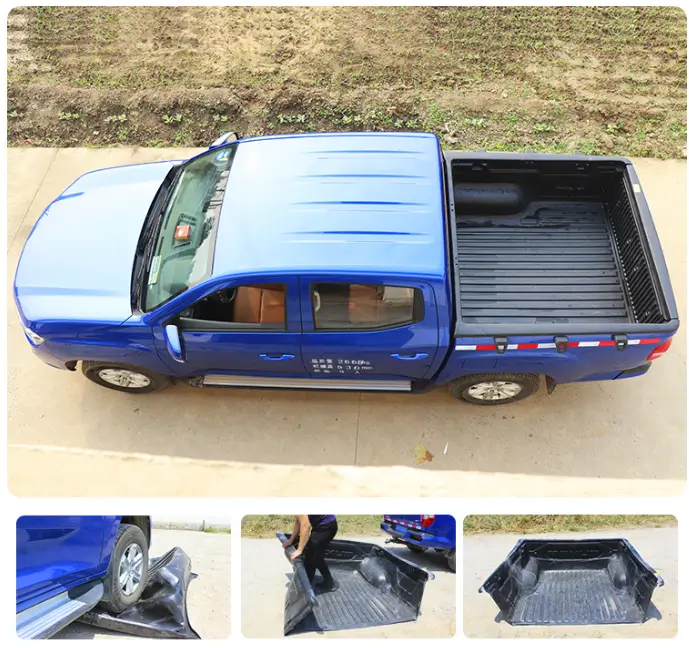
Why You Need a HDPE Plastic Truck Bed Liner
A bare truck bed is vulnerable. Moisture causes rust. Heavy cargo leaves dents. Sharp tools create gouges. Once the factory paint is compromised, corrosion spreads. A quality bed liner pickup system solves all of these problems by adding a durable protective layer between your cargo and the metal.
The Three Main Types of Bed Liners
Before deciding on the best pickup bed liner, you need to understand the three most common categories.
1. Spray-In Bed Liners
Spray-in liners are professional-grade coatings (usually polyurea or polyurethane) that bond permanently to the truck bed. This is a permanent application that requires specialized equipment.
Pros:
- Seamless, waterproof bond — no moisture traps
- Excellent rust and chemical protection
- High-grip texture keeps cargo from sliding
- Adds structural strength to the bed floor
Cons:
- Most expensive option
- Requires professional installation (specialized spray rigs)
- Can be abrasive on knees or soft cargo
- Difficult to repair if damaged
2. HDPE Drop-In Bed Liners
HDPE stands for high-density polyethylene — a rugged, impact-resistant plastic. An HDPE pickup bed liner is pre-molded to fit specific truck models and bolts into place.
Pros:
- More affordable than spray-in liners
- Excellent impact resistance — handles heavy loads without cracking
- Quick installation (typical shop time is under 30 minutes)
- Removable if needed
- UV-resistant and won’t fade or warp easily
- Surface texture options — many HDPE liners feature ribbed or diamond patterns that provide excellent grip
Cons:
- Can trap moisture underneath if not installed with proper drainage
- Requires professional installation for best results
3. Rubber Bed Mats
A rubber mat is exactly what it sounds like: a thick rubber pad that sits on the floor of the bed. It does not cover the side walls.
Pros:
- Least expensive option
- Very easy to install or remove
Cons:
- No protection for side walls or tailgate
- Can shift or curl over time
- Offers limited impact protection
What Is an HDPE Pickup Bed Liner?
Among plastic truck bed liner options, HDPE (high-density polyethylene) is the material to look for. Many budget liners use cheaper polypropylene plastic, which becomes brittle in cold weather and cracks under heavy loads.
An HDPE pickup bed liner solves these problems. It remains flexible enough to absorb impacts without shattering, resists chemical damage from gasoline and oil, and holds its shape for years. If you are considering a plastic truck bed liner, choosing HDPE over generic plastic is a smart upgrade.
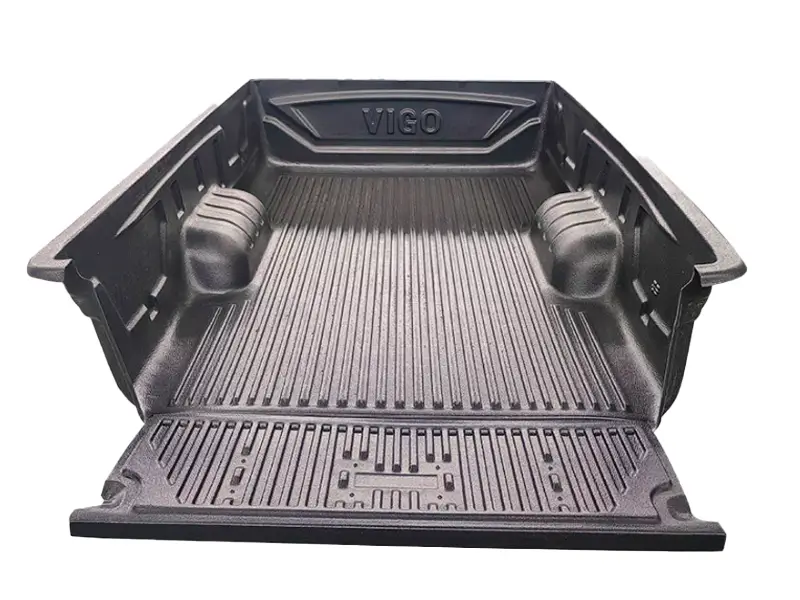
Comparison: Spray-In vs HDPE Drop-In vs Rubber Mat
| Feature | Spray-In Liner | HDPE Drop-In Liner | Rubber Bed Mat |
|---|---|---|---|
| Cargo Bed Rust Protection | Excellent seamless protection | Good with built-in drainage channel, no water trapped under liner | Basic protection only for bed floor |
| Impact & Scratch Resistance | Average, easy to scratch and peel off | Excellent, high toughness, heavy load resistant | Weak, easy to dent and puncture |
| Cargo Anti-Slip Performance | Very good textured surface | Good anti-slip textured design | Good friction but easy to shift under heavy load |
| Installation & Removal | Professional installation required, non-detachable | Easy DIY install, detachable for full cleaning | Simple laying type, easy to take out |
| Market Price (USD) | $210 – $420 | $42 – $110 | $14 – $42 |
| Service Life | Long lifetime, hard to repair once damaged | 5–10 years, anti-aging, low maintenance cost | 2–3 years, easy aging and cracking |
| Maintenance Flexibility | Cannot be removed, dirt hidden in gaps | Fully detachable, easy to clean bed and liner | Removable only for surface cleaning, no side wall protection |
Which Is the Best Pickup Bed Liner for Most Owners?
There is no single answer that fits everyone. The best pickup bed liner depends on how you use your truck.
Choose a spray-in liner if:
- You regularly haul wet materials (dirt, gravel, sand, mulch)
- You live in a region with road salt or high humidity
- You want permanent, worry-free protection
- Your budget allows for professional installation
Choose an HDPE drop-in liner if:
- You want strong impact protection at a reasonable price
- You haul dry cargo like furniture, lumber, or tools
- You want a liner that can be removed if needed
- You prefer a plastic truck bed liner that won’t crack or fade
Choose a rubber mat if:
- You only need floor protection
- You are on a tight budget
- You want something you can remove and clean easily
Final Verdict
For most pickup truck owners, the right bed protection comes down to two strong choices: spray-in coatings for those prioritizing ultimate rust prevention, or durable drop-in liners for anyone seeking long-lasting value.
Spray-in liners deliver seamless, water-tight protection against corrosion. But a high-quality HDPE liner offers exceptional impact resistance at a far more accessible price point — and with proper drainage, it will stand up to years of heavy use without cracking or warping.
Skip cheap, flimsy plastic alternatives. If you choose a drop-in style, opt for one made from HDPE. This single upgrade drastically improves both durability and long-term performance.
If you’re ready to explore heavy-duty bed protection built for real-world use, or want to check fitment for your pickup model, visit our product page: